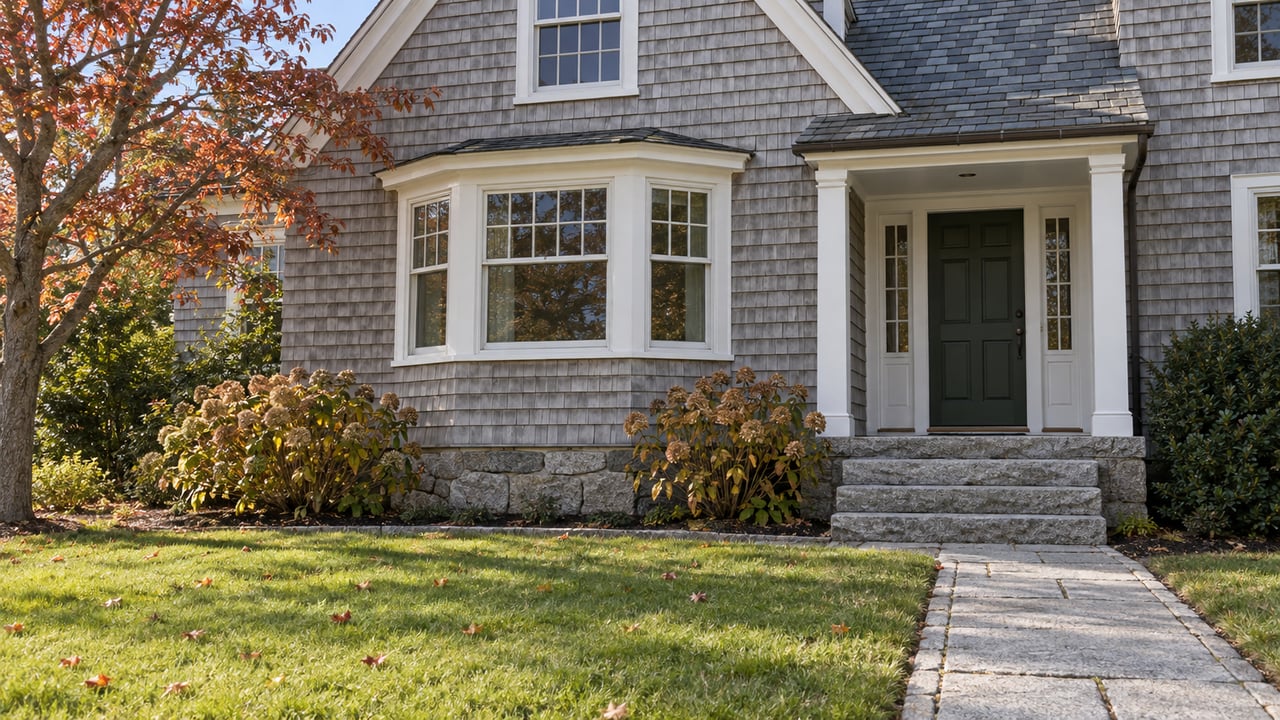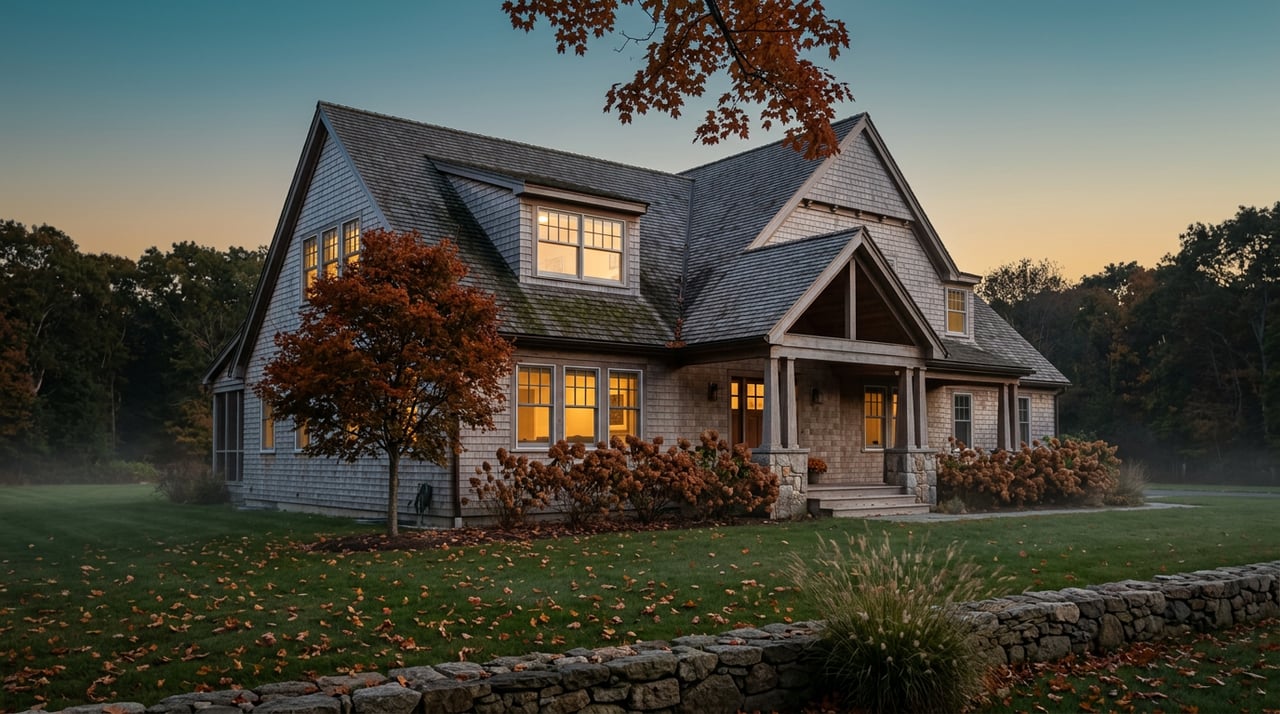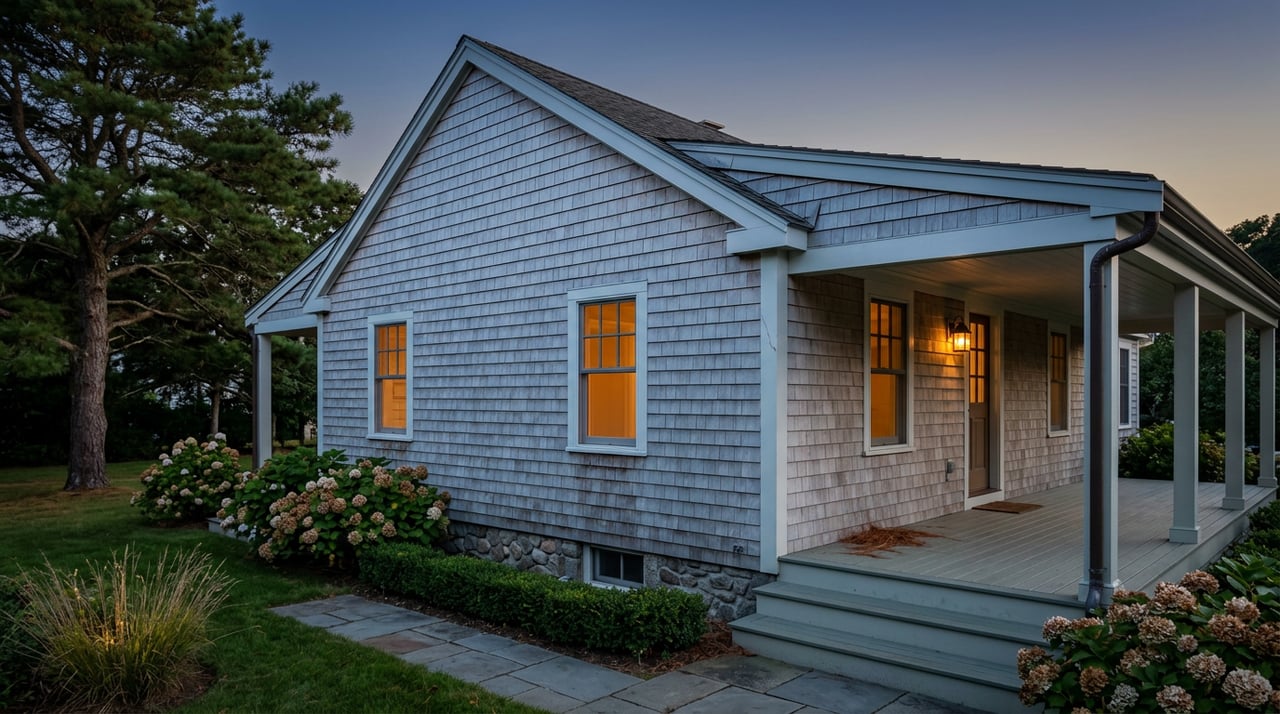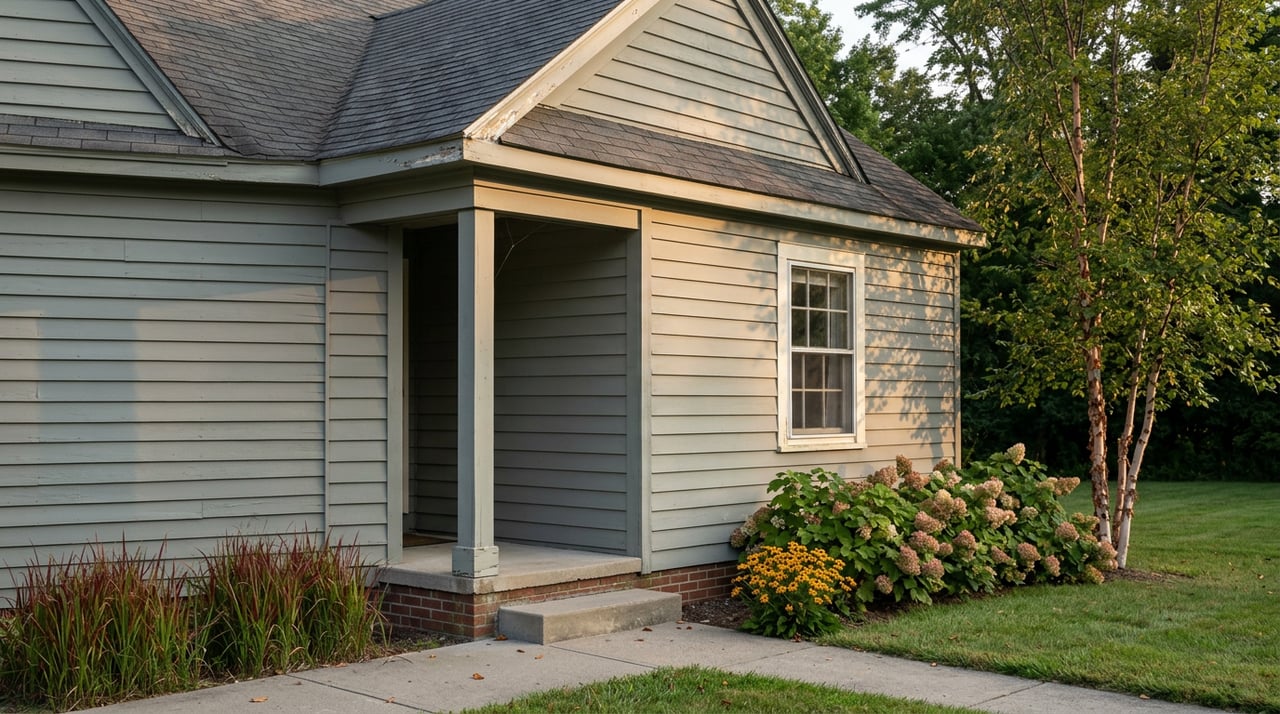
Under a draft ordinance Wells officials took to a public hearing on September 1, two similar houses a short drive apart could end up with different rights to host weekly guests. What separates them is a line measured 500 feet west of Route 1 and a date on the calendar. Inside the line, a house could be licensed as a short-term rental, while one outside it would keep that use only with a documented rental history from before November 3, 2026. If you are buying in Wells with rental income in mind, that turns a seller's booking records into something close to a property feature.
None of this is law yet. Still, the draft is specific enough to show how the rules would sort property, and its key date falls 22 days from today.
A town with no rental rules at all
Wells has hosted summer visitors for generations, yet it has never regulated short-term rentals. Town planner and engineer Mike Livingston told Spectrum News Maine in late August that there are "no regulations at all." Owners don't register or report their properties, so officials can't say for certain how many short-term rentals operate in town.
That gap became a problem during the pandemic. In the same Spectrum interview, Livingston said that when Gov. Janet Mills temporarily barred lodging operators from booking out-of-state guests, Wells officials had no way to find or even identify short-term rental owners. "That's where the conversation started," he said, adding that the Board of Selectmen has worked on the concept for years.
So the starting point matters. A buyer today is purchasing in a town where rental use is unrecorded. The draft would create the first official record and attach rights to it.
The line the draft would draw
The proposal amends Chapter 145, the town's land use code, and adds a Short Term Rental Overlay District to the zoning map. Its boundary covers lots in every zoning district east of Route 1 to the Atlantic, plus lots within 500 feet west of Route 1. The Resource Protection and Harbor districts are excluded.
Inside the overlay, a short-term rental becomes a permitted use once the owner has a use permit and certificate of occupancy from the Code Enforcement Office and a license from the municipal officers under Chapter 150. The draft brings in Chapter 150's standards at § 150-161 by reference. The underlying zone's residential rules, density included, still apply. Where rules conflict, the more restrictive one controls. The draft also adds a parking requirement of one space per bedroom.
Here is how the draft would treat different kinds of property:
| Property situation | Treatment under the August 14 draft |
|---|---|
| Inside the overlay | Permitted with a Code Enforcement permit, certificate of occupancy and municipal license |
| Outside the overlay, documented rental use before Nov. 3, 2026 | Legal nonconforming use; Code Enforcement may permit expansion |
| Accessory dwelling unit, documented rental use before Nov. 4, 2025 | Legal nonconforming use under the same clause |
| Outside the overlay, no documented history | Not listed as a permitted short-term rental use |
| Rented to qualifying students or local seasonal workers | Excluded from the short-term rental definition |
The definition reaches further than weekly beach rentals. The draft defines a short-term rental as any residential lodging for six consecutive months or less. A fall-through-spring winter rental of six months or less would therefore fall inside the definition. Two exceptions apply. One covers students who show proof of enrollment within 75 miles of town. The other covers seasonal or temporary workers who show proof of employment in Wells or an adjacent town.
There is also a quieter boundary detail. Normally, when a Wells lot is split by a zoning line, the code lets either district's rules extend up to 100 feet across that line. The draft adds the new overlay to the short list of districts where that flexibility does not apply. A lot that straddles the 500-foot line west of Route 1 could not use it to pull the whole parcel into the overlay.
The date that does the sorting
Outside the overlay, the draft's nonconforming-use clause carries all the weight. A dwelling's short-term rental use would need to be "determined to have been in existence prior to November 3, 2026." An accessory dwelling unit's use would need to predate November 4, 2025. Both also require "a documented history of being used as a short term rental."
November 3, 2026 is also the date on the draft's zoning map footnote. It is the date of the town's secret-ballot referendum as well. The ordinance would take effect upon adoption by Town Meeting under the Town Charter.
For a buyer, the date matters less than the word "documented." Wells has never kept a registry, so no town list exists to check a property against. Proof would have to come from somewhere else, and the draft doesn't say what records would qualify or who decides. A seller who rented informally may have a harder case to make than one with years of booking platform statements and lodging tax filings. Any documented history would belong to the property's past, which means it reaches a buyer only through whatever records the seller can hand over.
Where the pushback came from
The draft has met resistance from two directions.
The first is the Planning Board. At its August 3 meeting, the board expressed disagreement with the overlay approach and directed the Town Engineer to relay that position to the Select Board. That account comes from MeetingWatch's AI-generated summary of the meeting. The summary attributes this statement to Steve Koeninger:
"The Planning Board doesn't agree with the overlay districts proposal for Short Term Rentals."
The Portsmouth Herald's York County Coast Star reported the same split on August 10.
The second is residents. A follow-up Coast Star story on August 21 carried the headline quote "You're going to lose your neighborhoods." Earlier, at its August 4 meeting, the Select Board heard public comment on the topic and voted to schedule a joint public hearing with the Planning Board, according to Spectrum News Maine.
The draft's purpose statement lays out the town's reasoning. Short-term rentals would be accommodated "where such use has been common historically." The overlay is meant to supplement existing lodging rather than replace it, protect occupant safety and limit impacts on neighbors. In practice, the line follows the corridor where Wells has always hosted visitors.
What the public record does not yet settle
The joint hearing took place on September 1 at Wells Public Library, 1434 Post Road. That same agenda also listed certification of referendum articles for the November 3 Special Town Meeting. Later agendas followed. On September 15 the board was to approve and sign the warrant. On October 6 it held a public hearing on referendum articles.
Several pieces are still missing from what we could verify:
- Ballot status. None of the posted agendas name the specific articles on the warrant. We could not confirm whether the short-term rental ordinance is on the November 3 ballot.
- Revisions. We could not confirm whether the text changed after the August 14 draft, including the boundary or cutoff dates.
- Licensing details. The draft depends on Chapter 150 licensing, but we did not find fees, inspection requirements or other § 150-161 standards. Livingston also described the ordinance to Spectrum as a platform for future rules "such as licensing," while the draft text already requires a license.
- Related items. In August the Select Board also took up a separate Chapter 150 amendment on lodging facility occupancy registers. Its October 6 agenda listed action on lodging fees. We did not find outcomes for either.
The Wells town clerk's office can tell you what is actually on the warrant.
Questions to settle before you write an offer
- Is the property inside the proposed overlay? Check whether it sits east of Route 1, or within 500 feet west of it, and outside the Resource Protection and Harbor districts.
- Does the lot straddle the boundary? The usual 100-foot split-lot flexibility would not apply to this overlay.
- What rental records exist? Ask the seller for booking histories, platform statements, lodging tax records and guest calendars. Find out whether the rentals happened in the main house or in an accessory unit, since the two have different cutoff dates.
- How many bedrooms, and how much parking? At one space per bedroom, a four-bedroom cottage on a tight lot could face a constraint its listing never mentions.
- How long are the rentals? Under the draft, a winter rental of six months or less still counts as short-term unless the tenant falls under the student or worker exclusions.
A few quick answers
Does Wells require short-term rental registration today? No. According to the town planner, there is no registration or reporting requirement as of late August 2026.
Would existing rentals outside the overlay have to stop? Under the draft, a dwelling with a documented short-term rental history before November 3, 2026 would become a legal nonconforming use. For an accessory dwelling unit, the history would need to predate November 4, 2025.
Does the draft cap the number of rentals or set a minimum stay? We found no cap, minimum-night stay, occupancy limit or owner-residency rule in the August 14 draft text.
This post describes a draft ordinance and is general information, not legal advice. Before you rely on any rental plan, confirm with a real estate attorney and the Wells Code Enforcement Office how the final rules would apply to a specific property.
If you're weighing a Wells property partly for its rental income, Williams Realty Partners can help you work out where it falls on the proposed map and what records you'll want to see before you make an offer. Let's Connect.