Walk from Central Avenue to River Street in downtown Dover and you'll pass two restaurants owned by the same chef. Stages sits at One Washington, a six-seat counter where dinner runs $175 a head before wine. A quarter mile away, Topolino fills a bright, glass-walled space along the Cocheco River, seating somewhere north of seventy. Same owner, same last name on both leases, same city block practically. What's easy to miss is that ten years ago, only one of those buildings existed in a form that could hold a restaurant at all.
That gap matters more than the award that just put Dover on a national stage.
The Headline Everyone Already Has
In June, chef Evan Hennessey became the first person from New Hampshire to win a James Beard Award for Best Chef: Northeast, a category covering all six New England states. He accepted it a couple of months after opening Topolino, his second Dover restaurant, and a couple of months before Travel + Leisure named Dover New England's most underrated dining destination. Local coverage has run the story the same way three times now: hometown chef, national recognition, small city punches above its weight.
All of that is true, and none of it explains why it happened in Dover instead of Portsmouth, twenty minutes down the road, where the region's food press usually points first. The answer isn't about talent. Hennessey has had that since he was washing dishes in Newark on his way to Michelin kitchens in Boston, Chicago, and New York. The answer is that Dover built the room for a second restaurant to exist, and it did it on purpose.
Why Topolino Sits Where It Sits
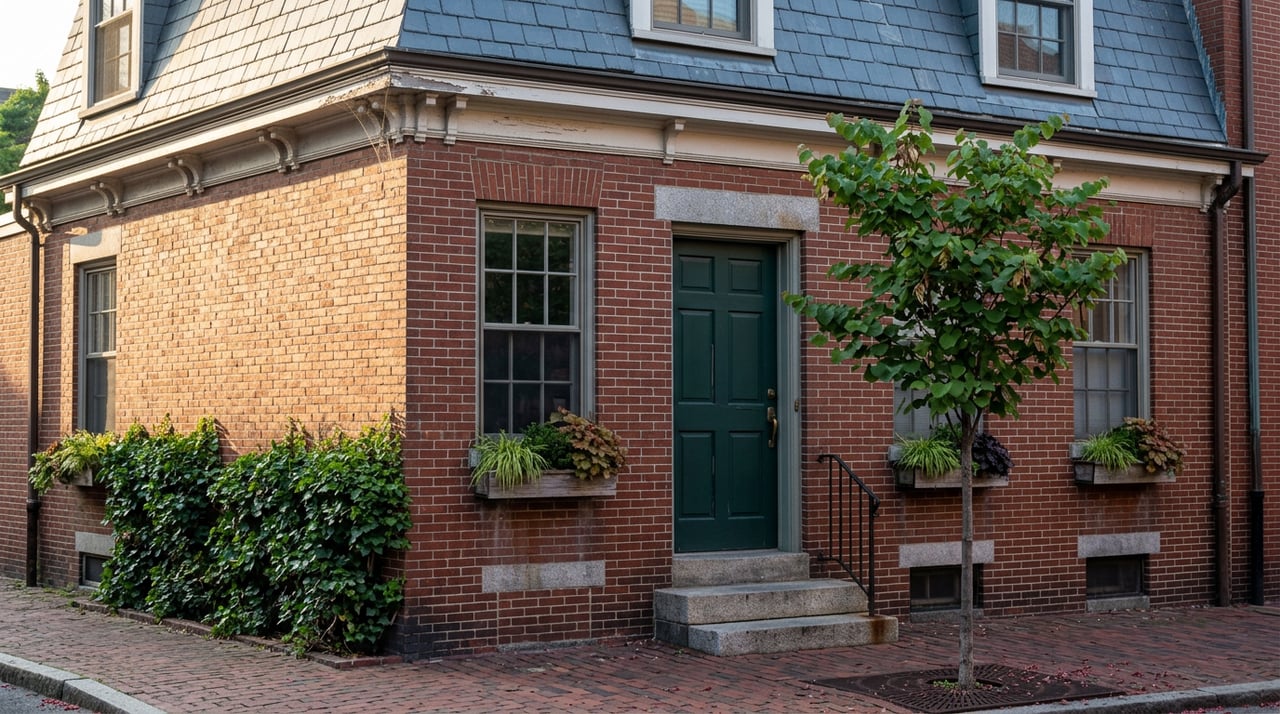
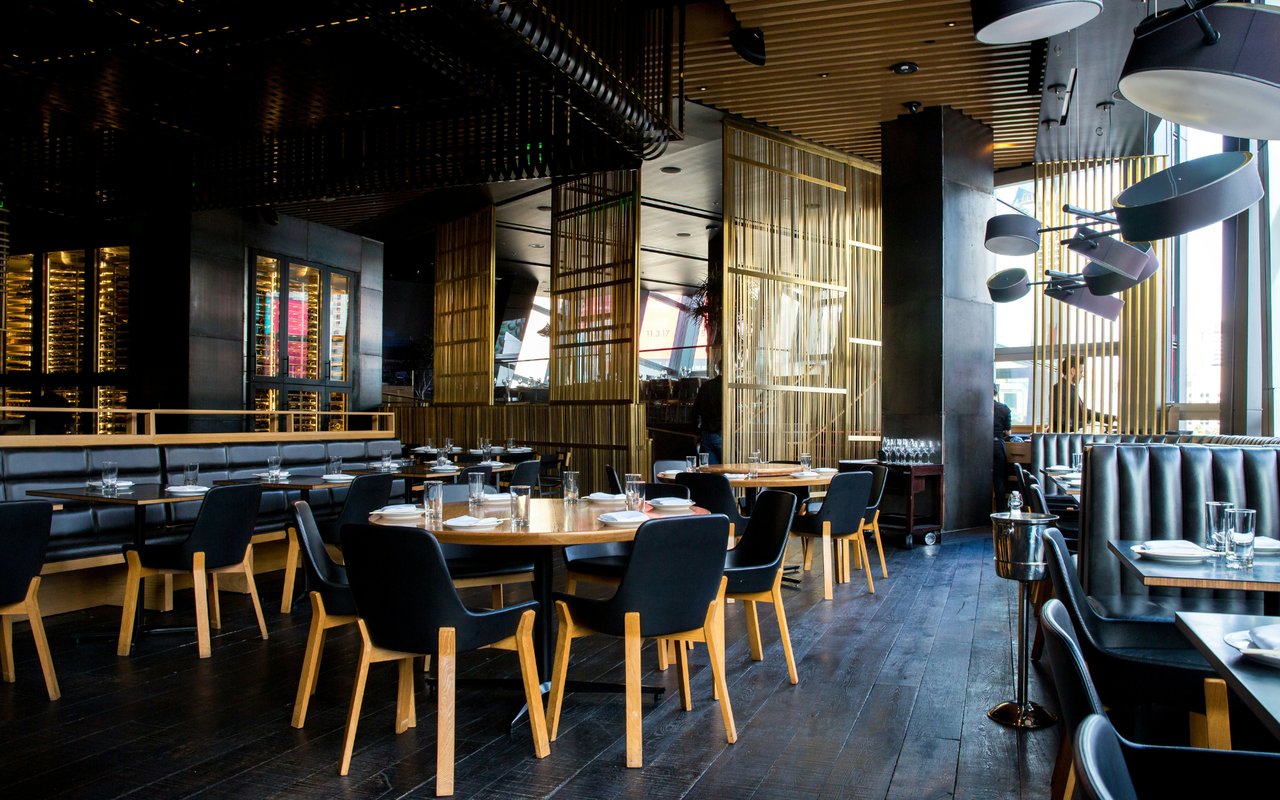
Topolino occupies ground-floor commercial space inside the Orpheum, an apartment building that didn't exist before 2019. It's named for the movie house that used to stand on the site. The developer, Cathartes, built it as part of a broader downtown apartment push, and it was Cathartes' managing director who approached Hennessey about putting a restaurant in the new space once the building went up. Hennessey said yes, and what opened this spring is a mezze-driven, all-day restaurant built around Mediterranean flavors: grilled dates with chorizo, whipped ricotta with za'atar, Maine diver scallops grilled in the shell.
Stages predates all of this. Hennessey opened it in 2012, before the Orpheum, before the apartment boom, when downtown Dover's commercial footprint was still mostly the historic mill buildings along Central Avenue. Fourteen years later, he told a reporter he wanted to build something more casual, something that could seat more people at once. He couldn't have built it in 2012. The ground-floor retail space that Topolino needed simply hadn't been constructed yet.
This is the part that gets flattened in the coverage: Dover's restaurant scene isn't happening alongside the downtown building boom. It's a direct output of it. Developers built apartments to house the workforce that Dover's business parks and hospital systems were pulling in, and to make the upper-floor apartments pencil out, they added ground-floor commercial space that needed tenants. Restaurants filled that space because restaurants are what activates a block enough to justify the rent.
Stalk, another downtown Dover restaurant a few blocks from both Stages and Topolino, tells the same story from a different angle. Chef-owner Nicole Nocella runs a farm-to-table American bistro at 286 Central Avenue and was a James Beard semifinalist in her own right this year. She's not new to Dover. What's new is that the sidewalk outside her restaurant now connects to a much longer stretch of walkable, occupied storefront than it did a decade ago.
The Room That's Still Being Built
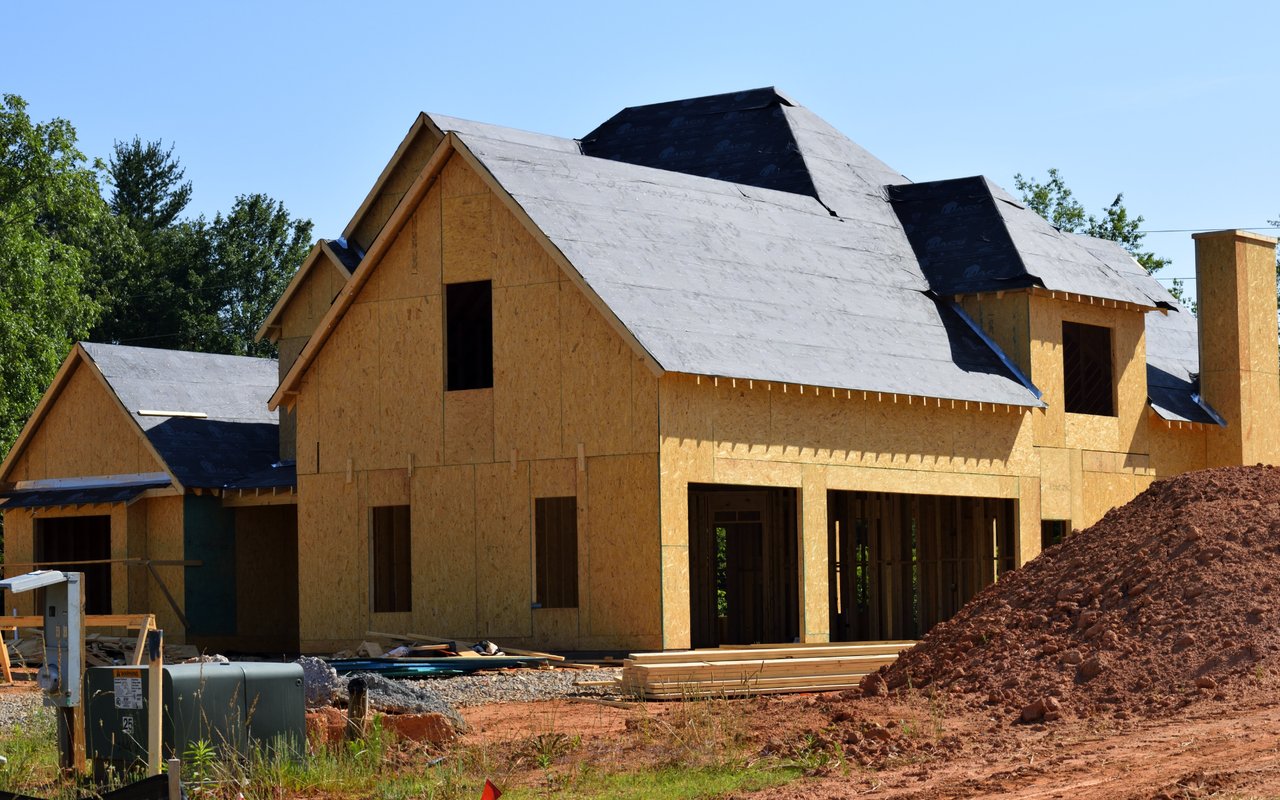
The next expansion of that footprint is already under construction along the river. The City of Dover's Cochecho Waterfront Development spans roughly 29 acres of former industrial and municipal land, much of it previously home to a velvet mill, a coal shed, and the city's old public works facility. The project has been in some form of planning since the early 1990s, and its centerpiece is Nebi Park, a public waterfront space with landscaped promenades and shoreline access that will run alongside more than half a mile of newly accessible riverfront.
That half mile matters for the same reason the Orpheum mattered. Every acre of new public park and every new residential building along it eventually needs ground-floor commercial tenants, the same way the Orpheum needed one and got Topolino. Assistant City Manager Christopher Parker has put the current private investment happening downtown at north of $40 million, spread across a converted brick warehouse, luxury apartments on a formerly vacant block, and the redevelopment of a prominent office building. None of that is restaurant space yet. Most of it will be, eventually, the same way this stretch of River Street became a Mediterranean restaurant instead of staying a fenced construction lot.
Two Restaurants, Two Very Different Bets
The contrast between Stages and Topolino isn't just geographic. It's a bet on two different models of how a small city supports fine dining:
- Stages: six seats, one seating at a time, $175 tasting menu plus an $85 optional wine pairing, a format built entirely around scarcity
- Topolino: 72 seats in the main dining room plus 11 at the bar, mezze-style shareable plates, open for lunch and dinner five days a week, a format built around volume and repeat visits
Hennessey has said the second restaurant was a deliberate move toward something more people could actually get into. That's a real tension for a small city's dining scene. Scarcity built Hennessey's reputation. Volume is what lets a much larger share of Dover's roughly 34,000 residents actually eat the food that reputation is built on.
A Chef Who Left, and What Brought Him Back
Hennessey didn't stay in Dover to build a career. He left to build one elsewhere first, working his way through kitchens far outside New Hampshire before deciding where to open his own place.
"This community and the school system and the people that are here have given a lot to me to grow me, to raise me."
That's not a line from a chamber of commerce brochure. It's Hennessey explaining, in his own words, why he came back to a city that most regional food writers still overlook in favor of Portsmouth or Portland. The bet paid off in a way that's now measurable: a James Beard Award, a national magazine's most-underrated designation, and a second restaurant that wouldn't have had anywhere to go five years ago.
What This Means for the Next Five Weeks
None of this is abstract if you already live in Dover. The same blocks now holding two Hennessey restaurants and Nocella's Stalk are the same blocks that fill with people every October for Apple Harvest Day, the Seacoast's largest street festival. This year's, the 42nd, lands on Saturday, October 3, running from 9 a.m. to 4 p.m. along Central Avenue and drawing more than 60,000 people to roughly 300 vendors. The day kicks off earlier that morning with a USATF-certified 5K on St. Thomas Street at 8:30 a.m., with hard cider waiting at the finish line for anyone over 21. With that kind of crowd, the city is running remote parking from a single lot this year, at 100 Liberty Way off Sixth Street, with a free shuttle running all day.
Five weeks from now, the same storefronts that now hold a James Beard winner's second restaurant will be feeding a crowd nearly double the city's population. That's not a coincidence either. It's the same downtown, built the same way, doing what it was built to do.
If you're weighing what a neighborhood like this actually offers day to day, beyond the numbers on a listing, this is the kind of texture worth knowing before you sign anything. Williams & Co. works with buyers, sellers, and relocating families across Dover and the rest of Southern Maine and Seacoast New Hampshire, and we're always glad to talk through what a specific block, not just a town name, is actually like to live on. Let's Connect.