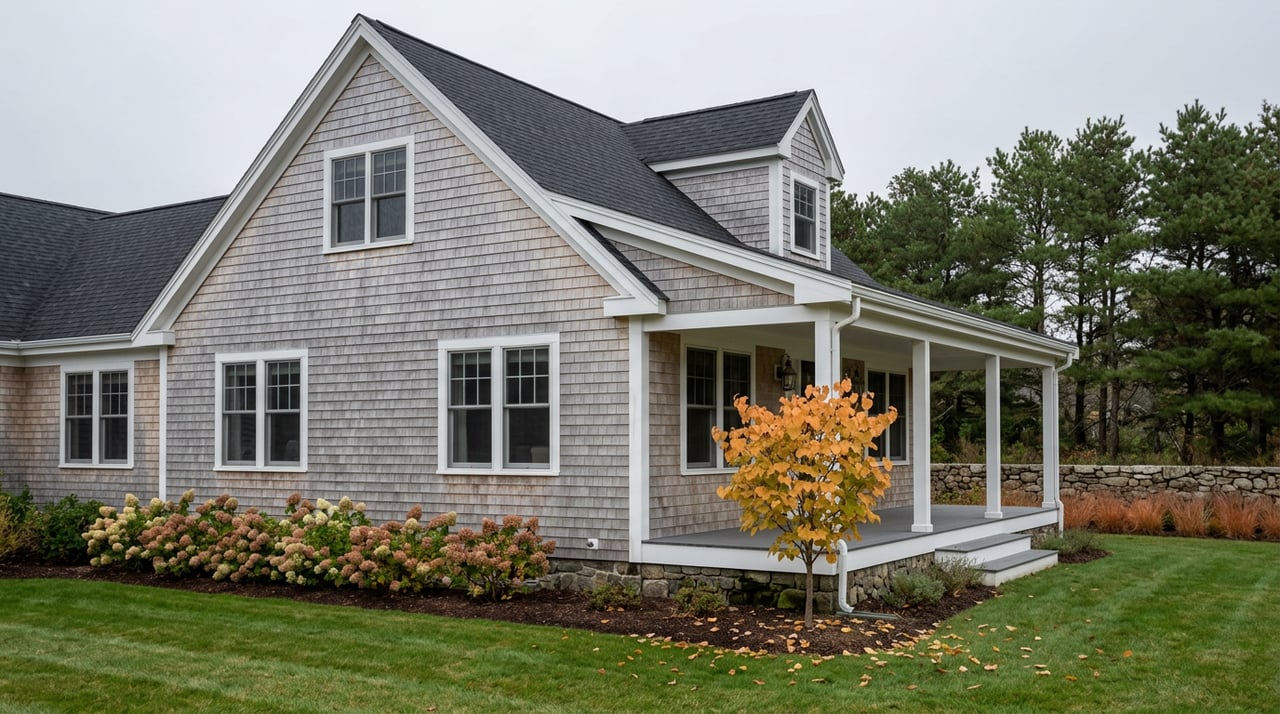
Walk the Marginal Way this month and you'll notice the usual things: the salt smell off Oarweed Cove, the bench dedications, somebody's dog straining toward the rocks. What you might not clock, unless you're looking for it, is that a chunk of the trail's foundation is still being rebuilt from a storm that hit almost two years ago. Most people who live here assumed that story ended when the path reopened. It didn't. It just moved from headline news to a slower, less visible phase, the kind that doesn't make the evening broadcast but shapes what you'll see underfoot for a while yet.
That gap between "the path reopened" and "the path is fixed" is the whole story this fall.
Two Storms, One Bill
The damage didn't come from a single dramatic event. It stacked. A pair of January 2024 storms cracked retaining walls, undermined sections of pavement near Perkins Cove, and scattered rock along the cliffside edge, adding an estimated $1 million in new damage on top of roughly $2 million in lingering repairs still owed from a 2018 storm that never got fully addressed. Call it a $3 million backlog that finally forced the town's hand.
The 1.25-mile trail is not a minor local amenity absorbing this cost quietly. It draws nearly one million visitors a year, which means every washed-out step or wobbly railing is a liability problem multiplied by a lot of foot traffic, not just an eyesore for the people who walk it on a Tuesday morning.
Who's Actually Paying for This
Here's the detail that tends to get skipped when people talk about "the Marginal Way getting fixed": this isn't a town-funded repaving job billed straight to property taxes. The Marginal Way Preservation Fund, a nonprofit with a $4.5 million endowment, ran a storm damage appeal that contributed more than $1 million toward the repairs, working alongside the town rather than waiting for it to write a check alone. That structure matters if you live here and pay attention to where your tax dollars go. The most visible piece of Ogunquit's public infrastructure is being kept alive substantially through private philanthropy, not a line item that shows up on your bill every spring.
The town, for its part, hired specialists rather than a general contractor. Walsh Engineering Associates in Westbrook and Linkel Environmental Construction in Topsham are handling the restoration, both firms bringing more than 35 years of shoreline stabilization experience to a job site that's basically a narrow ribbon of pavement clinging to an eroding cliff edge while a million people a year keep walking on it.
Bill Walsh, the firm's president, put the design goal plainly: building for a coastline facing "increased storm intensity and rising sea levels."
That's not marketing language. It's an acknowledgment that this repair isn't a one-time fix so much as the first of what will probably be a recurring maintenance cycle as storms get less predictable and the cliffline keeps eroding.
What the Scope of Work Actually Covers
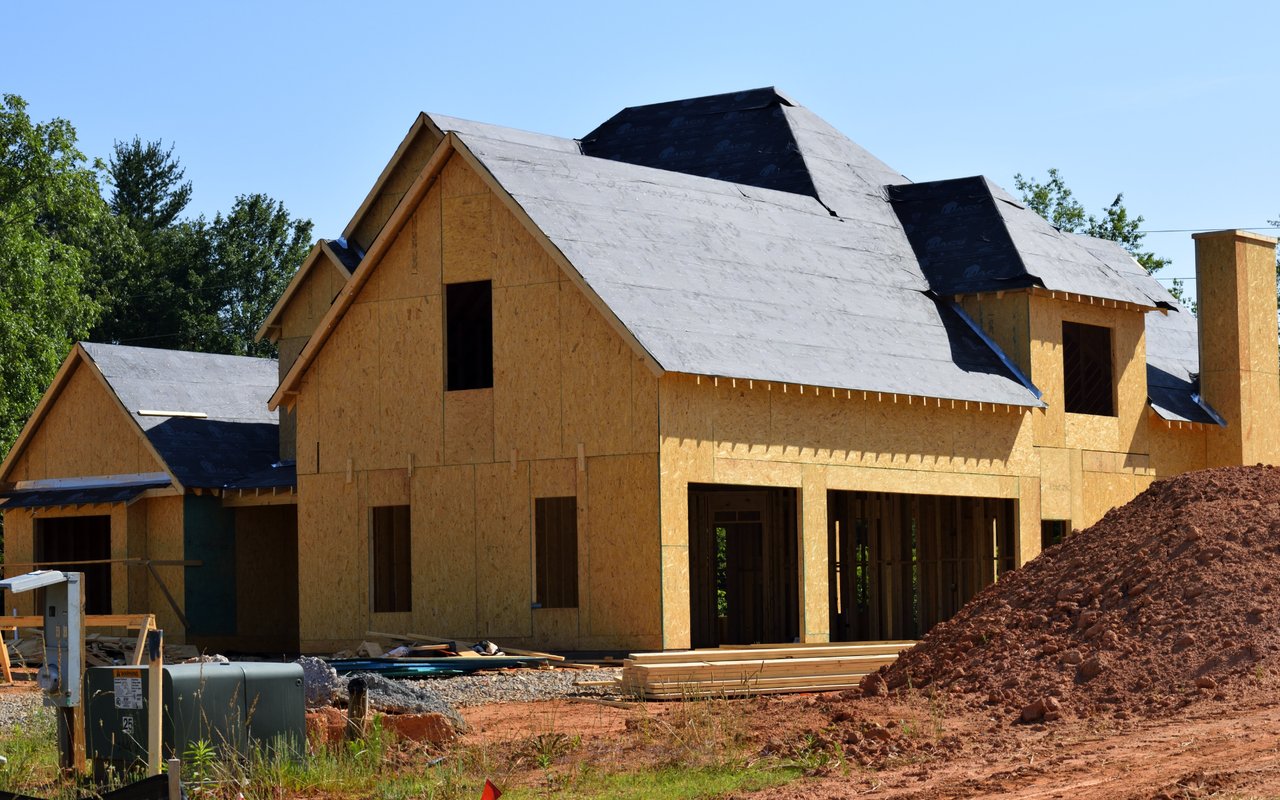
The restoration plan itself explains why this is taking longer than a typical storm cleanup. This isn't a matter of sweeping debris and calling it done. The scope includes replacing eroded sections, repaving stretches of the path, refilling washouts with gravel, restoring railings, concrete steps, and bench platforms, and reinforcing the edge along Winterberry Meadow. That's closer to a rebuild than a patch job, which is exactly why a narrow cliffside trail with nearly a million annual visitors can't just get fixed over a weekend.
None of this should keep you off the path. It's context for why the trail might look a little different underfoot than it did a couple of years ago, and why the "beloved coastal trail" story you've heard is really a multi-year infrastructure project wearing a scenic disguise.
The Rest of the Season Isn't Waiting on the Cliff Walk
While the trail repair grinds along at its own pace, the rest of Ogunquit's fall calendar is running exactly on schedule, which is its own kind of local knowledge worth having if you plan your weekends around what's actually open.
The Perkins Cove Plein Air Painting Event returns for its sixth year on Saturday, September 12, with a rain date of September 13. More than 100 regional artists will spend the morning painting in oil, acrylic, and watercolor throughout Perkins Cove, along Marginal Way, and through downtown Ogunquit, starting at 8 a.m. Judging, awards, and the wet paint sale run from 1 to 4 p.m., with live music and demonstrations filling the rest of the day. If you've never gone specifically to watch rather than to walk through, it's worth building a Saturday around.
Six weeks after that, OgunquitFest takes over the weekend of October 23 through 25. The signature lineup includes:
- A classic car show at Main Beach
- Children's trick-or-treating downtown and in Perkins Cove
- The Dogtoberfest costume parade
- The High Heel Dash, a benefit for the Frannie Peabody Center
- An artisan craft fair with more than 50 vendors, plus food trucks and live music at the Dunaway Center and Dorothea Jacobs Grant Common
That weekend has become the town's actual seasonal turning point, more than any date on a calendar. It's the last big communal gathering before Ogunquit settles into its quieter, thinner winter rhythm.
The Dining Scene Starts Thinning Out Around This Point
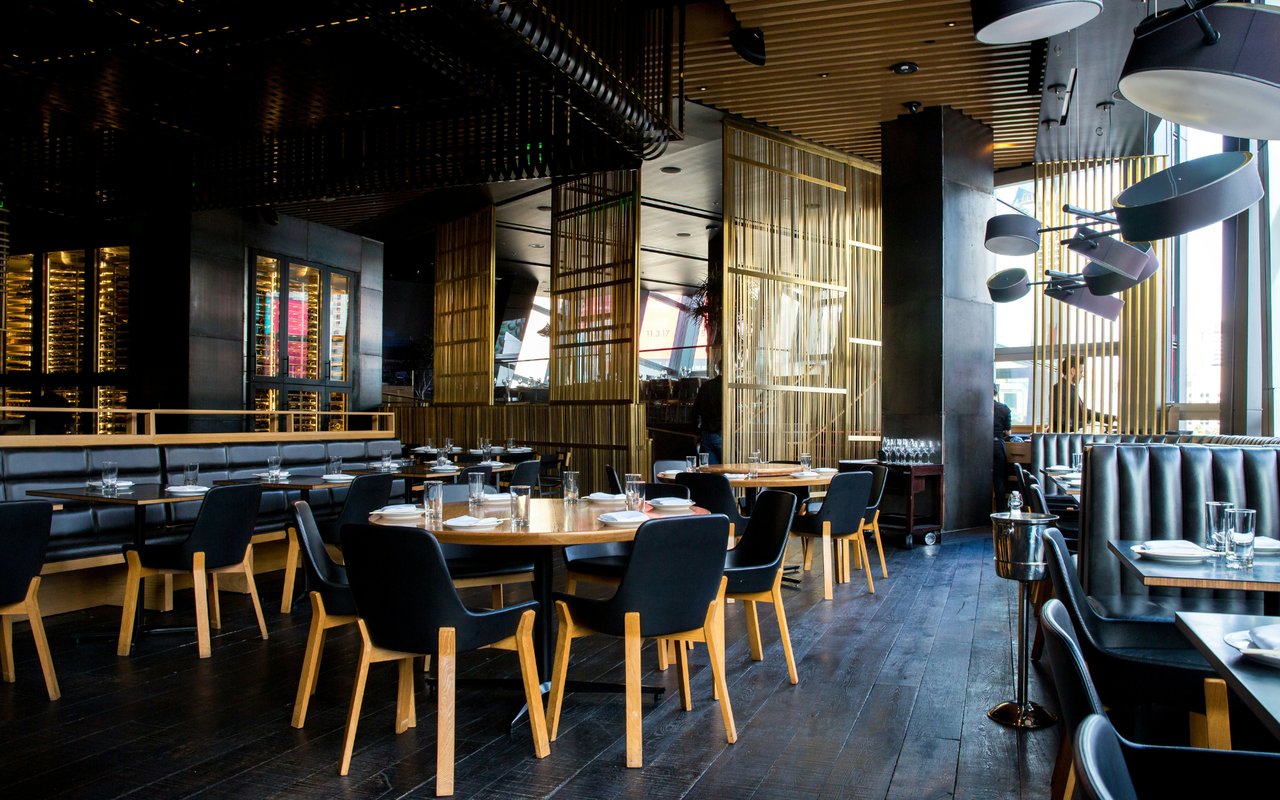
The clearest sign that shoulder season has arrived isn't the foliage. It's what happens to the dining room once the OgunquitFest crowds clear out. Peak season here runs roughly May through October, and once that window closes, the town's restaurant scene doesn't just get quieter, it changes character. Chefs use the slower pace to experiment with new menus, service gets more personal, and the places that stay open through winter turn into something closer to neighborhood hangouts than tourist stops, the kind that start hosting wine dinners and cooking classes instead of running at full tourist-season capacity.
Barnacle Billy's is one of the fixtures that keeps running daily regardless of season, a good example of the handful of Ogunquit institutions that don't bend to the calendar the way seasonal pop-ups do. If a place you ate at all August is suddenly harder to get into on a Tuesday, that's not a closure. That's just the town doing what it does every fall, settling back down to the people who live here.
What This Adds Up To
None of this is a single event worth a headline on its own. Taken together, it's a more accurate picture of what living in Ogunquit through a shoulder season actually looks like than the postcard version most sites give you. The cliff walk you've taken for granted is mid-repair, funded by a private endowment working alongside the town rather than the other way around. The festival calendar keeps its own rhythm regardless of what's happening on the trail. And the dining scene is already shifting from tourist-season volume back to the kind of place where the chef knows your order.
That's the town in September, doing what it always does this time of year, just with an engineering crew working the edges this time.
If you're watching Ogunquit for reasons beyond a Saturday walk, whether that's a property you already own here or one you're thinking about down the road, Williams Realty Partners spends enough time in this town to know which repairs are cosmetic and which ones actually change how a place lives day to day. Let's Connect if you want that kind of read on your own corner of the Seacoast.