On January 28, 2026, four members of Kennebunk's Historic Preservation Commission sat through a hearing about trim. Not tax policy, not a subdivision, not a teardown. Trim. The owners of the Wedding Cake House at 104 Summer Street had brought project architect John Einsiedler and a Spang Builders representative, Norm Laliberte, to present physical samples of AZEK composite material, a PVC substitute for the home's rotting Gothic Revival woodwork. The commission didn't say no. They didn't say yes either. They asked for more material specifications and continued the application to February 11.
That single continuance is the most useful thing a prospective buyer in Kennebunk's historic district can read before writing an offer. It tells you what the process actually costs, and it isn't money. It's time, and it applies to a lot more than trim.
The rule most buyers don't know about
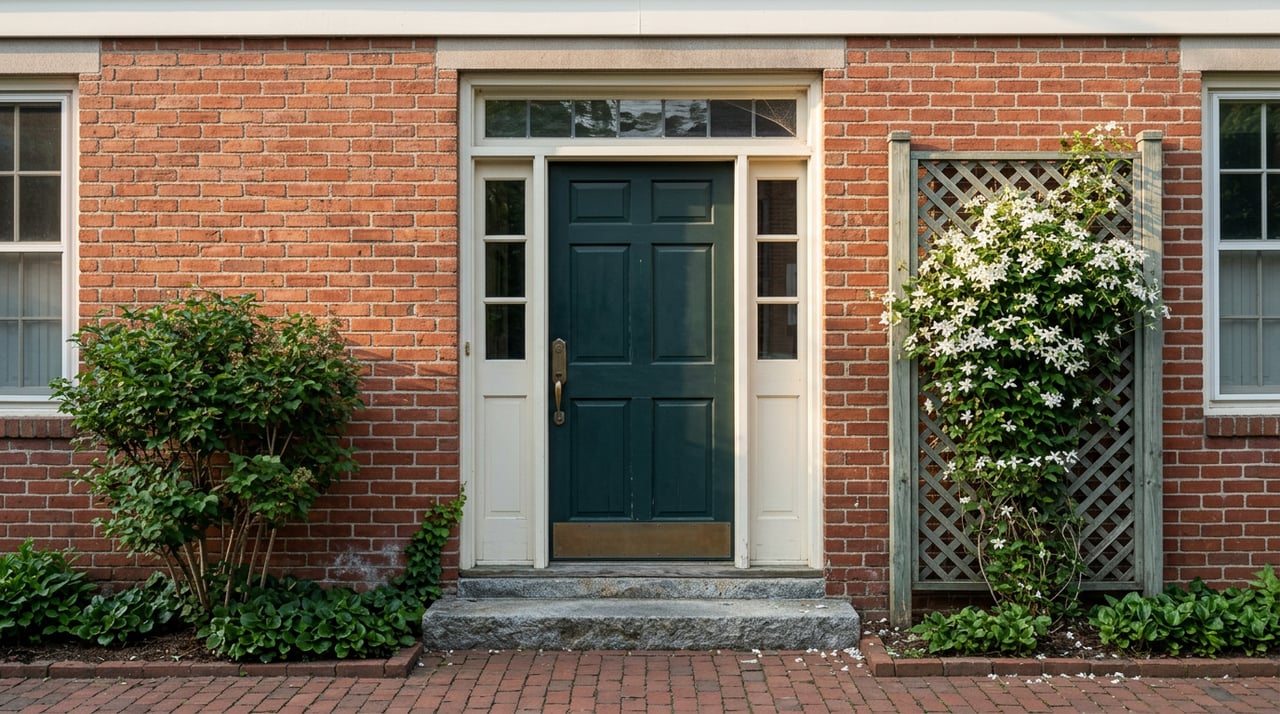
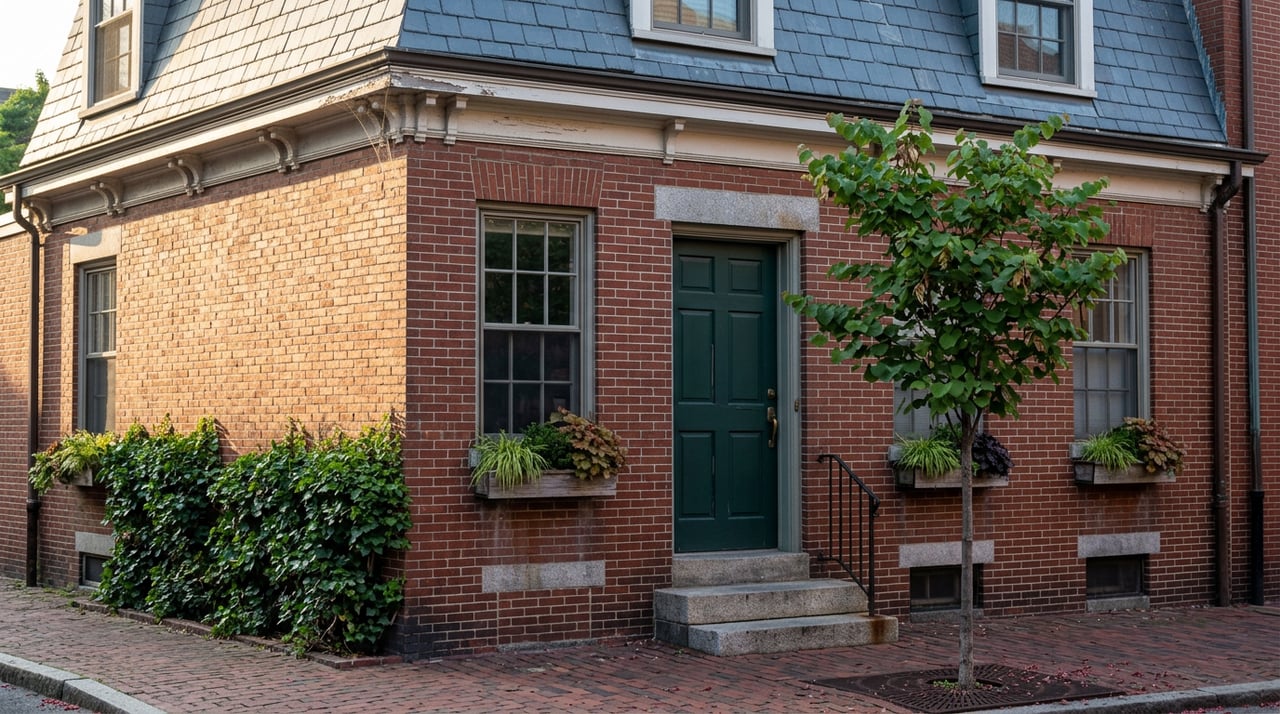
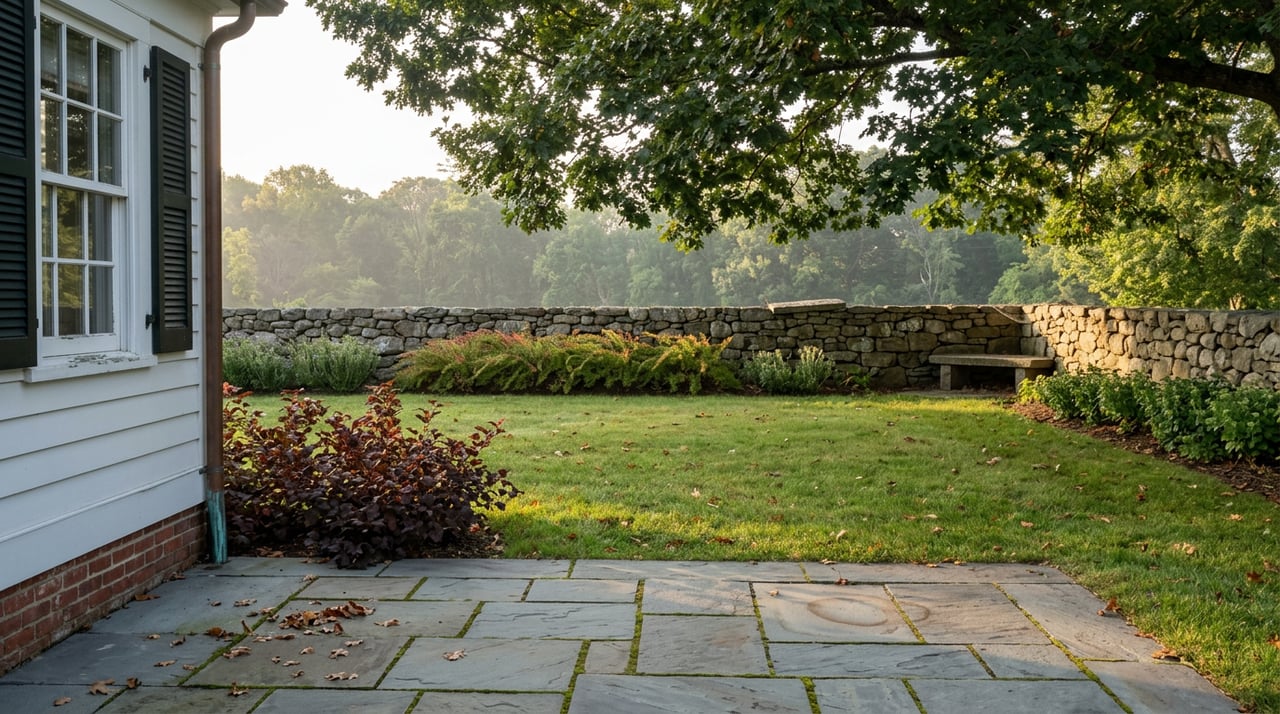
Ask most people what a historic district restricts and they'll guess paint colors, maybe window styles. In Kennebunk, the reach is wider than that. Under Article 12 of the town's zoning ordinance, a Certificate of Appropriateness has to be issued before a building permit can be issued at all, and that requirement covers far more than the house itself. Fences, walls, steps, paving, landscaping, signs, and exterior lighting all fall under the same review. The Historic Preservation Commission's own page spells this out plainly: nothing gets altered, erected, or removed on a property inside the Historic Preservation Overlay District without that certificate coming first.
That distinction matters because most buyers price in the visible stuff (a repaint, a roof) and assume everything else is business as usual. It isn't. A dying tree that needs to come down, a heat pump condenser that needs a spot in the yard, a cedar fence past its useful life. All of it goes through the same commission that reviewed the Wedding Cake House trim.
Recent applications on file with the town show exactly how granular this gets:
- A 2025 application at 51 Summer Street covered rotted clapboard replacement, new garage doors, a rebuilt cedar fence and gate along Depot Street, a heat pump condenser installation, and the removal and replanting of a mature Tilia tree that had suffered a serious trunk break in 2023.
- A 2024 hearing involved an amended request to remove a Sugar Maple and a Norway Maple, not for the reason originally cited to the commission, but because the trees were found to be blocking a water main needed for a new garage's water line. The commission's own design guidelines require a letter from a certified arborist before any tree removal is approved.
Neither of those projects is unusual for an old house. Both needed a public hearing to move forward.
Why the calendar is the real cost
Kennebunk's Historic Preservation Commission meets on the second and fourth Wednesday of each month. Applications require ten days of advance notice to abutters before they can be scheduled. And as the Wedding Cake House case shows, even a well-prepared application with an architect and a contractor in the room can get continued if the commission wants more documentation.
Owner Hunt Edwards, who has been restoring the Wedding Cake House with his family since 2019, put it simply to Down East Magazine: it's an old house with extraordinary architecture that requires extraordinary upkeep. As of that 2024 interview, restoration costs on the property had already run between $700,000 and $1 million, with another $1 million estimated just for the exterior ornamentation, and the couple has continued working with the commission on the house since.
Most buyers won't face numbers that large. But the underlying mechanism is the same for a modest cape on a side street as it is for a Summer Street landmark. A project that would take a contractor two weeks anywhere else in town can take two commission cycles here, sometimes more if a continuance is needed. If you're budgeting a renovation around a closing date, that's a variable worth pricing into your timeline before you sign a purchase agreement, not after.
What this means before you write an offer
If you're looking at a property inside or near Kennebunk's historic core, a few questions are worth asking before you get attached to a listing:
- Confirm the parcel actually sits inside the Historic Preservation Overlay District boundary. Kennebunk's is the oldest such district in Maine, and it doesn't track neatly with neighborhood names or street blocks.
- Ask your agent for the town's own disclosure letter. The Historic Preservation Commission has produced a letter specifically for Realtors to give prospective buyers, laying out what ownership inside the district actually involves. It exists precisely because this catches people off guard.
- If you already know you want to replace a fence, add HVAC equipment, or take down a tree, ask what similar projects have gone through recently. The 51 Summer Street and Sugar Maple cases show the commission is generally workable, but workable still means a hearing, not a same-week permit.
- Treat the meeting calendar as part of your renovation timeline. Two hearings a month, ten days of notice, and the real possibility of a continuance add up to real weeks, not paperwork.
The tradeoff is real, not one-sided
None of this means the district is a burden without a counterweight. Kennebunk's designation as a Certified Local Government since February 1990, a status held by only ten municipalities in Maine, gives property owners access to grants and tax credits tied to historic preservation work that aren't available elsewhere. The district itself is listed on the National Register of Historic Places with 260 contributing structures spanning a circa-1745 house through 1950s ranches, which is part of why buyers are drawn here in the first place. The commission isn't trying to freeze these homes in amber. It's trying to keep them recognizable while letting them keep functioning, which is exactly what the Wedding Cake House case worked through earlier this year with a material nobody was using on Gothic Revival trim a generation ago.
A couple of questions worth settling early
Does every exterior change need a hearing? If it touches the outside of the structure or the site around it (siding, fences, paving, landscaping, tree removal, exterior lighting), yes, a Certificate of Appropriateness is required before a building permit can be issued. Interior renovations aren't part of the commission's review under the zoning language.
Does historic district status make a home worth more or less? There's no clean answer, and anyone who gives you one is guessing. What's true is that these homes carry both a compliance cost (time, process, sometimes material limits) and a set of advantages other properties don't have, including grant and tax credit access tied to the town's Certified Local Government status. Weigh both sides against the specific house, not the district as a category.
If you're looking at a property in Kennebunk's historic core, or anywhere else in Southern Maine or the Seacoast, it helps to have someone in your corner who already knows which questions to ask before you're under contract. That's the kind of groundwork Williams & Co. does with every buyer, historic house or not. Let's Connect.