In May 2026, the Rochester City Council had two credible offers sitting on the table for six acres of downtown land at the old Care Pharmacy site on South Main Street. One bidder offered $3.3 million in cash. The other offered nothing.
The council picked the developer offering nothing.
That decision looks strange until you understand what a rental vacancy rate under 1% does to a city's priorities. If you're cross-shopping Rochester against pricier Seacoast towns and wondering why the numbers look the way they do, that land deal tells you more than any median-price chart. It shows you why the gap exists and what the city is actively doing to close it.
The Two Bids on the Table
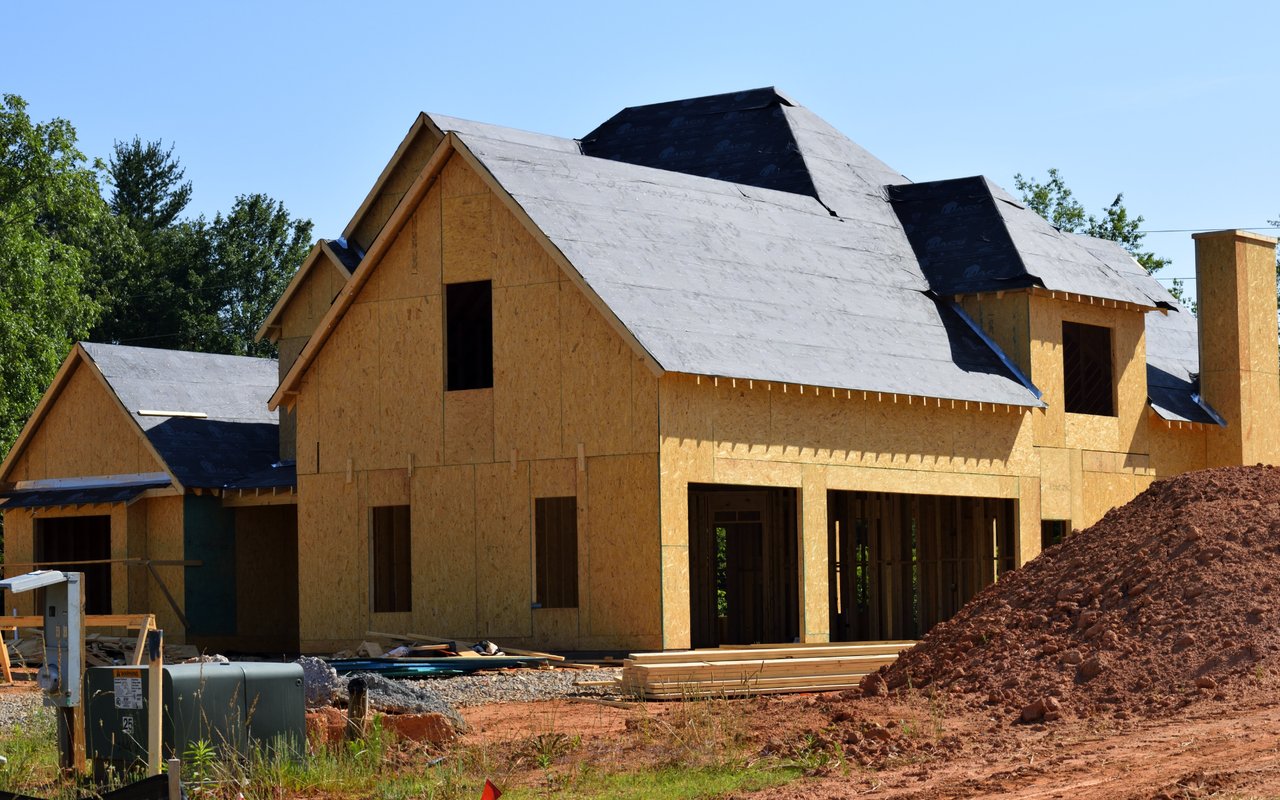
Rochester bought the former Care Pharmacy parcels, spanning 161 South Main Street and five lots on Sawyer Avenue, for $3.3 million in the spring of 2025, specifically to encourage housing construction downtown. It then put the land back out to bid through RFP 26-07 and received three proposals by the February 4, 2026 deadline. Two of them tell the whole story.
| Bidder | Purchase Price | Housing | Structure |
|---|---|---|---|
| Cyrus Holding Corporation (later formalized as Cyrus North LLC) | $3.3 million | 92 to 150 residential units plus commercial space | Developer pays the city upfront |
| EGCON and Elm Grove Companies | $0 | 133 market-rate apartments, plus retail built into the existing Care Pharmacy building | City recovers value through roughly six years of increased property tax revenue instead of a sale price |
A third proposal came from Knox Marsh Development and Stone Arch Development LLC, though the city hasn't published its financial terms.
On May 19, 2026, the council signed a purchase and sales agreement with Cyrus North LLC, whose proposal matched the city's $3.3 million purchase cost and the higher unit count. The deal includes a 120-day due diligence period, which runs through roughly mid-September 2026, and a separate development agreement still has to be finalized before anything breaks ground. The EGCON bid, the one that would have cost the city nothing upfront in exchange for a tax-revenue payback plan, didn't win. But the fact that a $0 offer was seriously weighed against a $3.3 million one at all says something about what Rochester actually needs right now, and it isn't cash.
Why a City Gives Away Land
The RFP packet itself lays out the reasoning. Rochester's rental vacancy rate has run between 0.6% and 0.9% for several years running, well under the 4.0% to 5.0% range considered healthy for a functioning rental market. The city currently has 4,609 rental units, accounting for 35% of all households, and demand is outpacing that supply badly enough that it shows up in hiring conversations. The same document names Frisbie Memorial Hospital, Sig Sauer, Thompson Investment Castings, and LDI Solutions as employers who've raised concerns about housing availability for current and future workers. Albany International, which relocated its headquarters to Rochester from Albany, New York back in 2010, added to that same labor pool.
The city has leaned into incentives to fix this. Rochester operates six Economic Revitalization Zones, more than any other city in New Hampshire, offering tax credits to businesses that invest in buildings or equipment within them. The South Main Street site itself sits inside both a federal Opportunity Zone and an RSA 79-E Community Revitalization Zone, meaning a developer there can potentially layer state tax relief on top of the deal terms the city already negotiated. None of this is charity. It's a bet that filling vacant lots with housing now generates more long-term property tax revenue than collecting a one-time sale price would.
The Price You See Depends on Which List You're Reading
Here's where it gets useful for anyone actually pricing a move. Ask three different sources what a home in Rochester costs right now and you'll get three different answers, and the spread itself is a signal.
Closed sales in the three months ending May 2026 put the median sale price at $449,000, up 15.2% year over year, with homes taking 42 days to sell compared to 22 days the year before. A separate May 2026 snapshot showed the same $449,000 median but a much faster 21-day pace. Meanwhile, a broader estimate service pegged the March 2026 median at $425,000, up only 0.06% year over year, with days on market stretched to 71, a 38% jump from the prior year. By August 2026, active listing prices had settled closer to $424,000, roughly flat compared to the same month a year earlier, with a median of 25 days on market.
That's not a data error. It reflects a market where closed transactions are running hotter than active listings suggest, where the share of homes selling above asking price fell from roughly two-thirds a year ago to under 40% by March 2026, and where price reductions on active listings dropped from about 20% to under 14% over the same stretch. Sellers are getting less bidding-war drama than they were twelve months ago, but they're still not cutting prices to move product. That's consistent with a market absorbing new supply awkwardly rather than one that's cooling in any simple sense.
For context, Rochester's own economic development office markets the city's cost of living as among the lowest in the region, and one national tracker put an August 2026 Rochester home purchase at only about 1% below the national average. That's a thin national discount. The real value proposition isn't that Rochester is cheap nationally. It's that it's positioned as cheap relative to its Seacoast neighbors, and that positioning is exactly what the city is trying to protect by pushing housing supply through incentive deals like the South Main Street sale.
Who's Actually Moving Here, and Who's Leaving
Migration search data from late 2025 adds a second layer. In the fourth quarter of 2025, 22% of people searching for Rochester homes were looking to leave the area entirely, while the rest wanted to stay within the metro. Of the people looking to move out, Portland, Maine was the single most popular destination, followed by Lebanon and Miami. On the inbound side, homebuyers researching a move into Rochester were more likely to be coming from New York than from any other metro, followed by Hartford and Springfield.
Put those two patterns together and Rochester starts to look less like a fixed price point and more like a relay station. Buyers priced out of New York and southern New England are discovering it as an entry point. Rochester residents who've built equity are increasingly eyeing coastal Maine as their next move. That's not a market standing still waiting to be discovered. It's one already in motion in both directions.
What This Means If You're Cross-Shopping Rochester Against the Seacoast
If you're comparing Rochester to Dover or Portsmouth on price alone, you're comparing a snapshot to a moving target. The discount exists because supply is genuinely constrained, not because Rochester lacks demand. The city knows this well enough to give away six acres of prime downtown land rather than collect $3.3 million for it, because 133 to 150 new units matter more to its long-term tax base and labor market than a single payment does.
That has a practical implication for timing. The due diligence window on the South Main Street project runs through roughly mid-September 2026, and a formal development agreement still needs to be signed before construction dates get announced. Watching that timeline is a reasonable way to gauge whether Rochester's current price gap with pricier neighbors is likely to hold, narrow, or widen over the next year or two, since new inventory downtown will eventually show up in both rental and for-sale statistics.
A Few Questions Worth Asking Before You Write an Offer
Is Rochester still cheaper than Dover or Portsmouth? By reputation and by the city's own marketing, yes, Rochester positions itself as one of the more affordable options in the region. But the price data above shows a market moving quickly enough, with a 15% year-over-year jump in one measure and a flat read in another, that the size of that gap depends heavily on which month and which data source you're looking at.
When does construction start on the South Main Street project? No groundbreaking date has been announced. The purchase and sales agreement includes a 120-day due diligence period that runs through roughly mid-September 2026, and a separate development agreement between the city and Cyrus North LLC still needs to be finalized before that happens.
Does a tight rental market affect people buying single-family homes too? Indirectly, yes. When rental vacancy sits under 1%, renters who might otherwise wait get pushed toward buying sooner, which adds competition at the entry-level end of the for-sale market even while overall days on market lengthen elsewhere.
Rochester's housing story right now isn't really about a number on a listing page. It's about a city betting that giving away land today builds a tax base worth more tomorrow, and that bet is worth understanding before you decide what Rochester's current price gap is actually telling you. If you're weighing Rochester against a Seacoast town and want a read on how that South Main Street timeline might affect your specific search, Williams Realty Partners can walk through what's realistic for your budget and your timeline. Let's Connect.